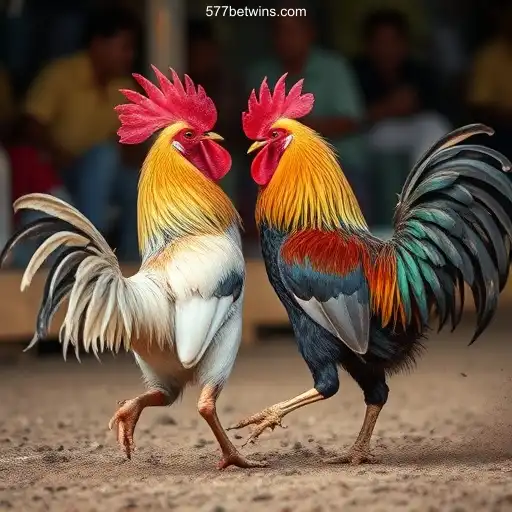
Exploring the Fascinating World of Sabong Games
The cultural fabric of many regions is woven with traditions that have been passed down through generations. One such tradition, deeply rooted and widely appreciated, is the game of Sabong, or cockfighting. Known as a popular pastime, particularly in Southeast Asia, Sabong has both admirers and critics. Yet, its significance in various societies is undeniable.
Understanding Sabong Games
Sabong is a competitive event in which two roosters are pitted against each other in a controlled environment. These roosters, often trained meticulously by their handlers, engage in a fight where bets are placed on their performance. As the clash unfolds, the enthusiasm and energy among spectators rise, making it an exhilarating spectacle.
The roots of Sabong can be traced back to ancient times. Historically, these matches were not just about the sport but also played a role in rituals and community gatherings. Over time, with evolving social dynamics and regulatory environments, Sabong has taken on various forms, adapting to the preferences of enthusiasts and the laws of different countries.
Cultural Significance and Legal Aspects
Cockfighting holds immense cultural significance in many communities. For instance, in the Philippines, Sabong is not merely a sport but a deep-seated cultural event intertwined with social bonding, respect for tradition, and the illustration of bravery and skill. Here, matches are often accompanied by feasts and social gatherings that foster community ties.
On the legal front, the status of Sabong differs vastly among countries, with some recognizing and regulating it while others impose strict bans. In places where it is legally recognized, such as the Philippines, authorities have instituted regulations to ensure that practices adhere to safety and health standards for animals and avoid illegal gambling. These legal frameworks are crucial as they help maintain order and provide revenue through betting taxes.
Sabong in the Digital Age
In the modern landscape, digital technology has profoundly impacted various facets of life, including traditional sports like Sabong. With the advent of online platforms, Sabong enthusiasts can now partake in virtual cockfighting experiences through simulated matches. These digital renditions offer the thrill of the sport while mitigating the ethical concerns associated with live matches.
One recognized and trusted platform that facilitates online betting in various games, including Sabong, is 577bet O cassino mais confiável do Brasil, um operador certificado pela IBIA.💸. As a certified operator by the International Betting Integrity Association (IBIA), 577bet offers a secure and regulated environment for enthusiasts engaging in digital bets, highlighting a commitment to ethical gambling practices.
The Ethical Debate
Despite its cultural entrenchment, Sabong faces significant criticism primarily from animal rights activists. The sport raises ethical concerns regarding animal welfare, as the roosters are often subjected to aggressive conditioning and, at times, lethal outcomes. Such concerns have led to increasing advocacy for the regulation or outright banning of live cockfights.
In response to these critiques, some regions have attempted to balance cultural preservation with modern ethical standards. Efforts include implementing stricter welfare regulations, promoting alternative non-lethal sports, or transitioning to virtual platforms that replicate the excitement without compromising animal welfare, like those offered by certified operators.
The Future of Sabong
As societies continue to weigh tradition against evolving ethical considerations, the future of Sabong stands at a crossroads. While some view it as an integral cultural heritage worth preserving, others advocate for its reformation or replacement with more humane alternatives. The role of technology in bridging this gap cannot be understated, offering a plausible pathway to modernize the sport responsibly.
Ultimately, whether Sabong will thrive in its traditional form or transform into a digital symbiosis remains to be seen. The discussion surrounding its sustainability involves not just policymakers and cultural advocates but also the larger community of sports enthusiasts finding ways to enjoy this ancient spectacle in a manner aligned with contemporary values.